
Picture a customer stepping into your shop, eyes fixed on the product they came for, only to hear the familiar line: “Sorry, we’re out of stock again.” In 2025, this is not an occasional frustration, it’s a widespread reality. New research shows stock availability and inventory accuracy are the top challenge UK retailers are trying to fix this year, with 36 per cent of retailers saying it is their biggest in-store issue and 34 per cent focused on improving accuracy. At the same time, consumers report higher rates of missing items on shelves.
These numbers matter for small shops. When large chains can absorb delays with scale, smaller businesses often cannot. A recent Retail Insight and Pricer study found that 82 per cent of UK shoppers have experienced stockouts in store. That rings alarm bells for any independent retailer who relies on local loyalty and repeat visits.
Stock delays are not just inconvenient; they hit your bottom line. When products don’t arrive on tim,e customers walk out empty-handed or buy elsewhere. Research suggests poor stock planning can cost UK retailers around £15 billion each year, and nearly half of consumers say they will not return to a retailer if key items are consistently unavailable. For a small business where every sale counts those lost opportunities quickly stack up.
Bigger retailers wield buying power, advanced forecasting systems and multiple distribution centres to soften supply blows. They can invest in digital tools that track inventory in real time and flag shortages before they happen. Smaller shops, running with tighter stock and smaller teams, lack those buffers. A single delayed delivery can ripple out into a week of low turnover, frustrated customers and more pressure on staff already stretched thin.
There is another layer too. In 2025, the wider UK retail picture is tough. Many high street names reported weak sales and heightened caution among shoppers as inflation bites and consumer confidence dips. Against this backdrop any stock gap feels more dramatic. Customers have choices and short waits or missing lines push them toward retailers who appear more reliable.
The good news is that small shops can still turn stock delays into strength. Realistic ordering routines, close communication with suppliers and delivery partners who understand urgency can make a difference. Local, responsive services help you fill gaps faster and keep promises to customers.
Stock delays hit every business. But for small shops, without deep reserves or multi-nation distribution hubs, the impact goes straight to the till and to customer trust. Facing the challenge head-on moves you away from reactive firefighting and towards predictable, dependable service your customers will notice and value.
How local delivery support changes the outcome
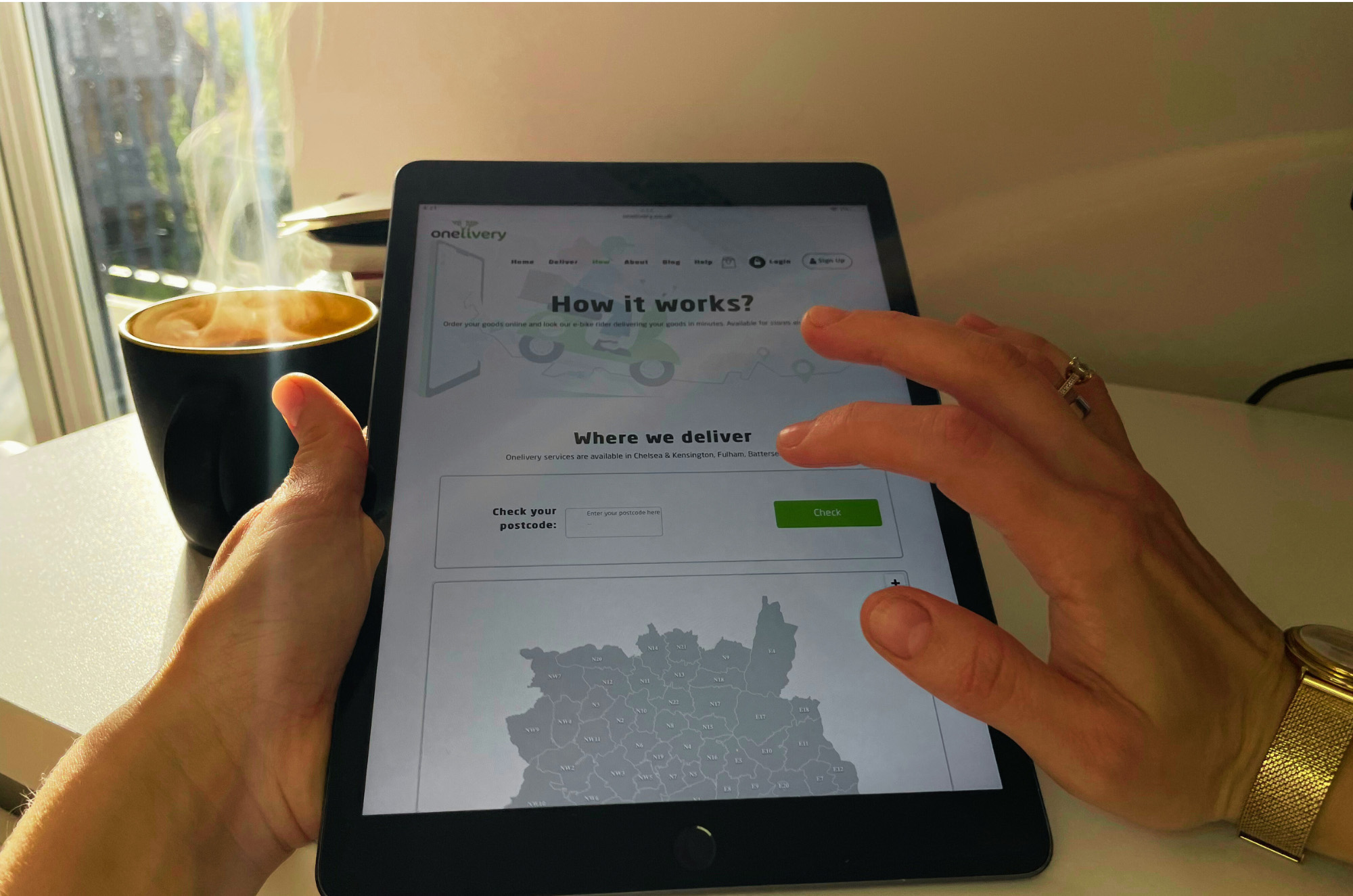
Onelivery service was built for small shops that cannot afford delays. When stock arrives late, speed becomes the difference between losing a customer and keeping them. That is where a reliable local delivery partner matters. Instead of waiting days for centralised couriers, small retailers can use same-day/same-hour delivery to keep their customers.
If stock delays are outside your control, delivery speed does not have to be. Keep shelves moving. Keep customers loyal. Stay one step ahead.