For years, opening hours followed a script. Lights on early, shutters up, staff ready, long day ahead. It felt like discipline. It felt like good retail. Yet many independent shop owners now look at that routine with a raised eyebrow. Not because customers changed overnight, but because the environment did.
A recent debate highlighted in The Guardian questioned whether small operational adjustments can genuinely address the strain on UK high streets. The argument resonated with many retailers who already sense the gap between theory and daily reality. Vacant units remain visible. Costs continue to rise. Consumer habits keep evolving. Extending hours alone does not solve structural pressure.
The real issue is economic gravity. Business rates, utilities, wages, and inventory costs have grown heavier while footfall behaves less predictably. Owners often witness the same pattern. Quiet mornings that barely justify staffing. Late hours that stretch energy bills without lifting sales. Tradition once framed longer hours as commitment. Today, they often look like an expense.
Independent retailers are responding with pragmatism rather than panic. Opening schedules are becoming more intentional. Trade during proven peak periods. Reduce low-yield hours. Redirect effort toward channels that do not rely on passing traffic. Customers increasingly value convenience, but convenience no longer means a door open all day. It means accessibility, speed, and reliability.
This shift is not a retreat. It is refinement. Shop owners have always prized efficiency and careful resource use. Rethinking opening hours simply reflects the same discipline applied to a different reality. The high street is not disappearing, but its rhythm is changing. Successful independents are learning to move with it rather than resist it.
Onelivery Marketplace
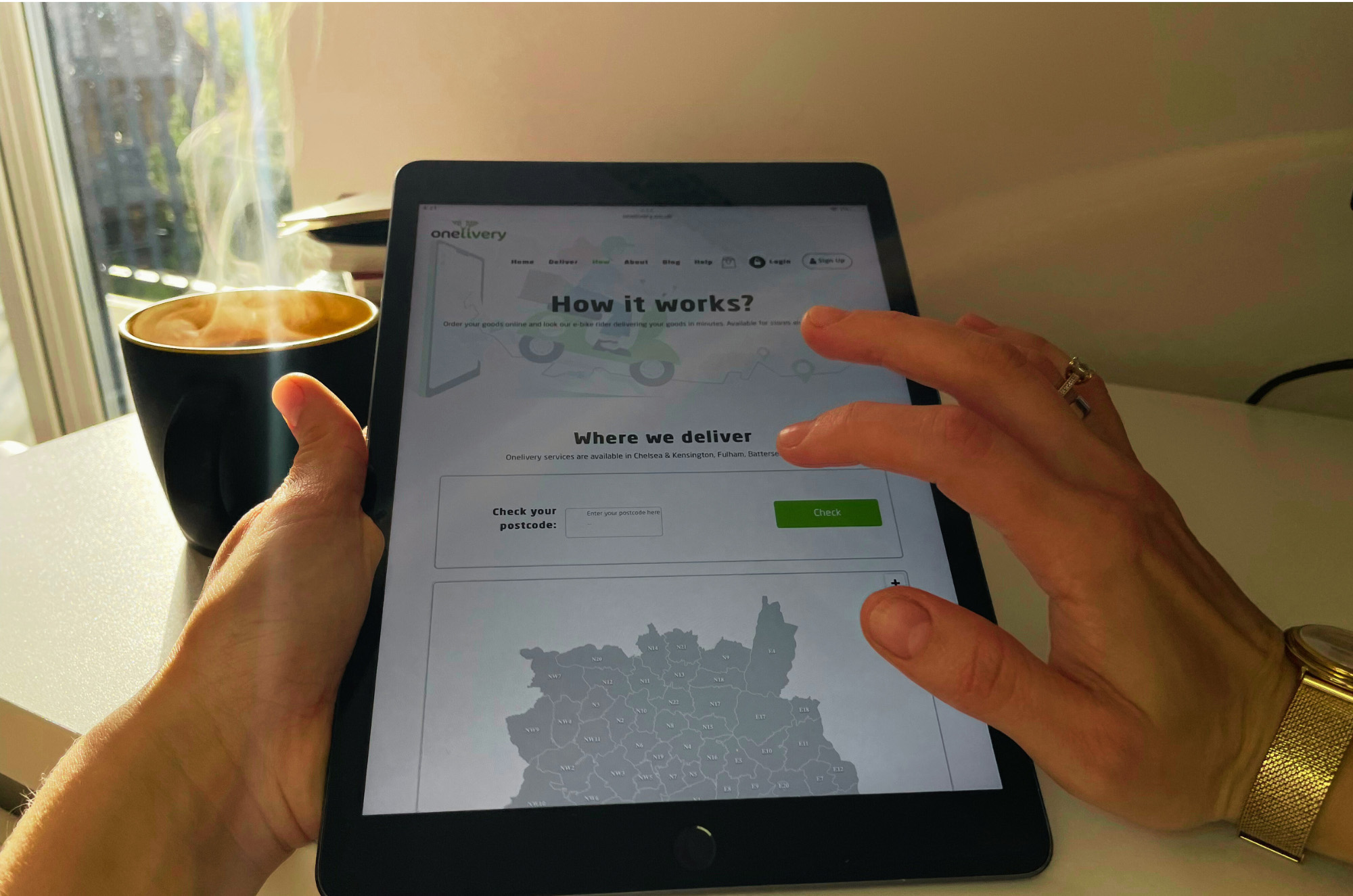
This is where Onelivery Marketplace becomes a practical solution rather than promotional. The platform allows independent shops to remain accessible without stretching staff hours or overhead. Products stay visible online. Customers can order at any time. Delivery handles the final step without disrupting daily operations.
- -For shop owners, the advantages are straightforward.
- -Greater sales opportunity beyond physical footfall.
- -No pressure to extend costly low-traffic hours.
- -Access to customers who prioritise speed and convenience.
- -Reduced operational strain on small teams.
High streets are evolving. Consumer behaviour is evolving with them. Independent retailers who adapt their schedules while expanding digital reach are not stepping back. They are aligning with how people already prefer to shop.