
Minimum wage increases sound straightforward until you run the numbers inside a small shop. Higher pay is fair and expected. The challenge is what follows after the announcement, when the impact starts spreading across daily operations.
Wage increases do not stay contained
The first change is payroll, but it rarely stops there. Once entry-level wages rise, the rest of the team expects an adjustment too. Experienced staff compare their value. Pay gaps shrink. To keep people, you often increase wages across multiple roles, not just the lowest paid.
Data from the Office for National Statistics shows that labour is one of the highest ongoing costs in retail. For independent shops, even a small percentage increase can shift monthly margins in a noticeable way.
Operational pressure builds quietly
Higher wages mean tighter control over time, staffing and efficiency. You rethink rotas. You reduce hours. You delay hiring. These are not growth decisions; they are survival adjustments.
At the same time, nearly 2 in 5 businesses say rising labour costs are pushing them to consider increasing prices . That creates another problem. Customers are already cautious. Price increases the risk of losing them.
So you absorb part of the cost. Margins shrink. Pressure builds.
The hidden cost is control
Raising prices to offset wages sounds logical, but it is rarely simple. Independent shops compete on trust and convenience. Customers notice even small changes. Many retailers choose to absorb part of the cost instead, which tightens profit further.
The real shift happens in how much control you feel day to day. When margins are thinner, every mistake matters more. Every delay takes attention. The business becomes harder to manage, not just more expensive to run.
This is where operational support starts to matter.
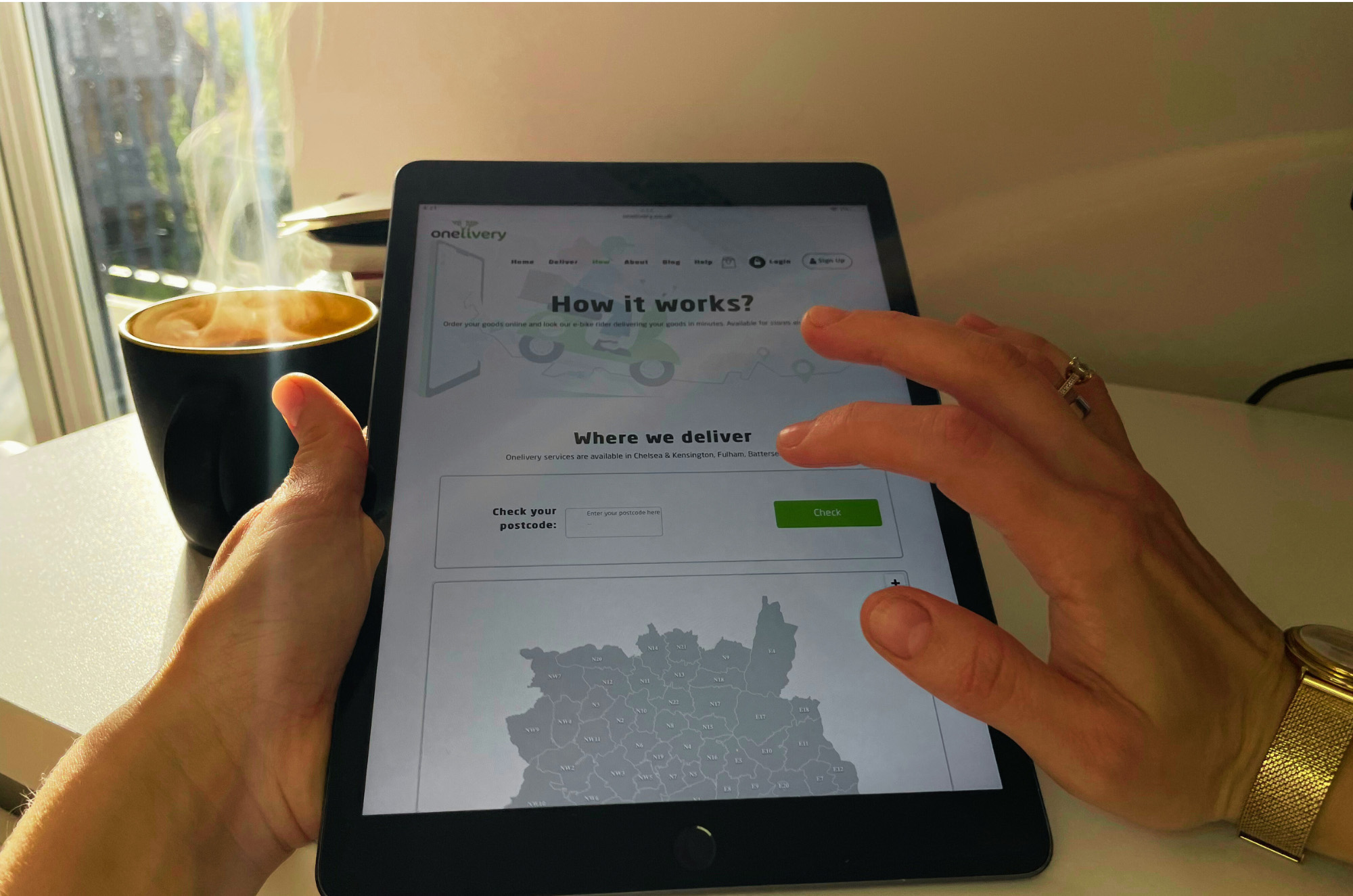
Onelivery is built for businesses that cannot afford wasted time or unreliable fulfilment. Instead of hiring more staff or stretching your current team, you can move delivery and logistics into a system that runs consistently. You list your products. Orders come through. Delivery is handled without you needing to coordinate drivers, adjust routes, or chase updates.
That means fewer staffing decisions tied to delivery. Less time spent managing collections and drop-offs. More predictable costs without adding payroll pressure.
You keep control of your business while removing one of the most time-consuming parts of it. Minimum wage will continue to rise. That is not changing. What can change is how much of the operational weight you carry yourself. For many independent shops, the real saving is not just money. It is time, focus, and the ability to run the business without constant pressure.