
Running an independent shop often begins with a simple idea. A florist who loves working with colour. A pharmacy owner who wants to serve the local community. A small retailer who knows every regular customer by name. But somewhere between the first sale and the hundredth delivery, something changes.
The shop owner realises they are no longer just running a shop.
They are running paperwork.
Invoices need logging. Stock reports must be updated. Orders need tracking. Supplier emails keep arriving. Delivery issues appear at the worst possible moment. And customers still expect quick service, clear communication, and accurate fulfilment. For many independent retailers, the real workload now happens behind the counter, not in front of it.
The hidden job nobody talks about
Customers see the shop floor. They see shelves, products, and friendly service. What they do not see is the quiet administrative machine required to keep everything moving. A typical independent retailer now manages:
- • supplier orders and stock records
- • delivery coordination
- • online orders and customer messages
- • invoices and payment tracking
- • compliance paperwork
- • daily reporting and stock adjustments
Each task seems small on its own. Together, they create hours of work every week. This administrative pressure often lands on the same person who is also serving customers, opening the shop, and managing staff. It is not surprising that burnout among small retail owners has become widespread. Surveys show that many retail owners report high levels of stress linked to rising costs, paperwork and operational demands.
Retail in 2026 is not getting simpler
Independent retailers entered 2026 with extremely low confidence. More than half report feeling uncertain about their ability to invest or grow in the coming year after a difficult trading period at the end of 2025.
At the same time, the broader retail environment is shifting. Higher labour costs and regulatory changes are forcing many retailers to reduce hours or cut roles simply to stay sustainable. Across the UK, thousands of shops continue to close each year while consumer spending remains cautious and online competition grows stronger.
Many independent retailers are effectively running three businesses at once:
- • a physical shop
- • an online store
- • a logistics operation
And logistics is often the most unpredictable part of the day. Most retailers are not asking for complicated systems. They want simple operations that work without constant supervision.
Why delivery infrastructure now matters
Delivery is no longer a luxury service. It has quietly become part of daily retail operations. Customers expect speed. Convenience. Reliability.
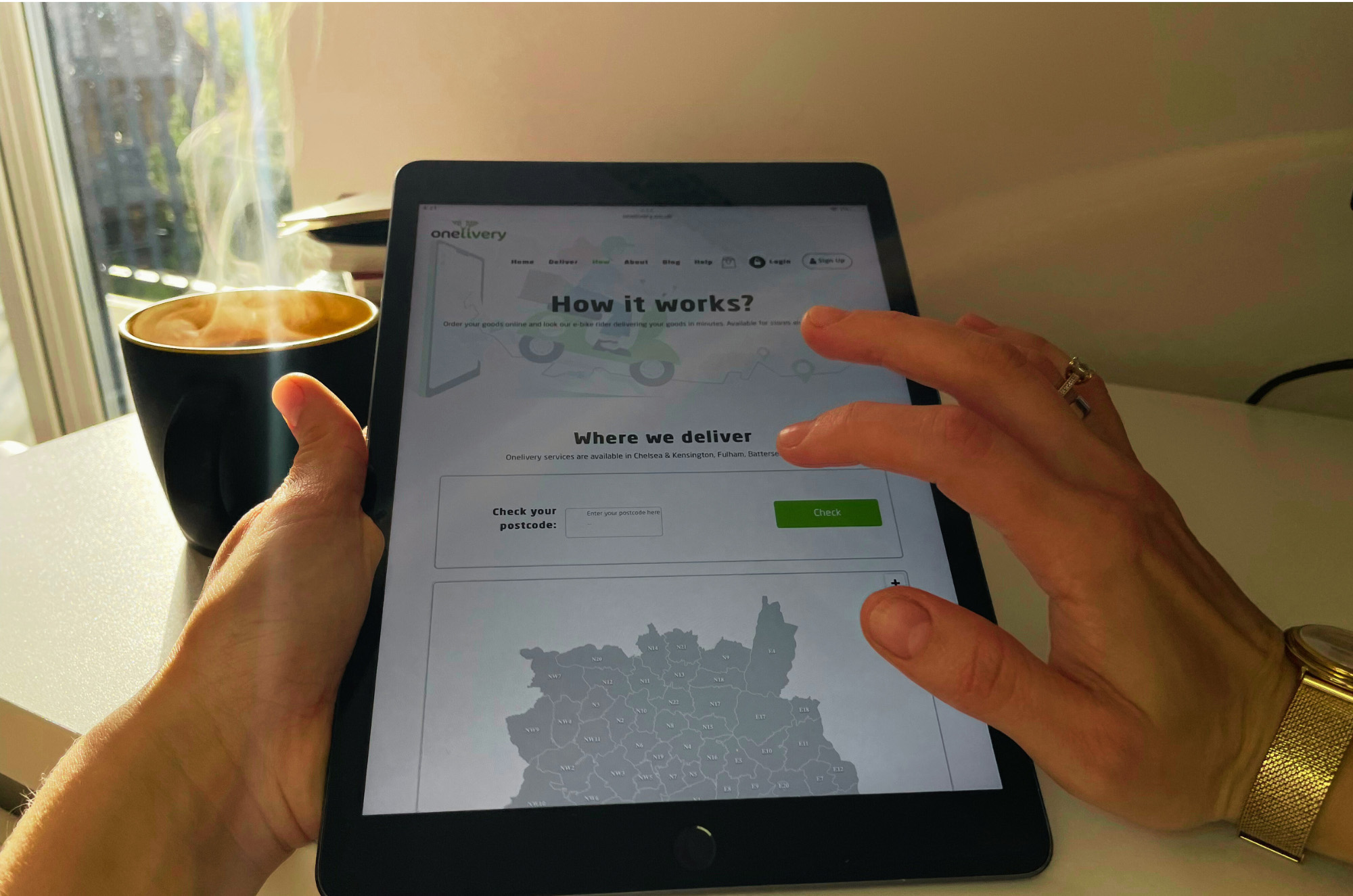
But for independent shops, building a delivery system internally creates even more administration. For small teams, that workload quickly becomes overwhelming. This is where specialised delivery networks, as Onelivery UK, can remove pressure rather than add complexity.
A reliable delivery partner does more than move parcels. It removes operational friction. Because the goal is not simply faster delivery. The goal is a calmer working day. One where the shop owner spends less time managing logistics and more time doing the work that actually grows their business.
And in 2026, that kind of operational clarity may be one of the most valuable advantages an independent retailer can have.